DMR Tier 2 and Tier 3 Radios: Discover Factory Innovations for Professional Communication
2025-12-29
In the demanding world of professional communication where reliability is paramount, the evolution of two-way radio technology continues to redefine connectivity. The latest advancements in DMR Tier 2 and Tier 3 radios represent a significant leap forward, offering improved efficiency, scalability, and clarity for critical operations. At lisheng, we are at the forefront of these innovations, crafting solutions that empower teams across industries with robust and intelligent communication tools. This blog dives into the cutting-edge features and benefits of these next-generation radios, exploring how they can elevate your operational capabilities. Join us as we uncover what makes these technologies essential for modern professional environments.
Unveiling the Advanced Capabilities of DMR Tier 2 and 3 Radios
DMR Tier 2 and 3 radios represent a significant leap beyond basic communication tools, offering enhanced features tailored for demanding environments. These systems excel in digital clarity and interference resistance, ensuring reliable voice transmission even in noisy industrial settings or during critical missions. With robust encryption options, they provide secure channels for sensitive data, making them ideal for public safety, utilities, and transportation sectors that require confidentiality and operational integrity.
Beyond voice, these tiers unlock advanced data capabilities that boost productivity and situational awareness. Features like GPS tracking enable real-time location monitoring of personnel and assets, while text messaging and telemetry functions support machine-to-machine communication for automated alerts or remote control. This integration of data streams transforms radios from mere talk devices into comprehensive command centers, allowing teams to coordinate more efficiently with fewer manual interventions and reduced errors.
Scalability and interoperability set these radios apart, adapting seamlessly to growing or complex networks. DMR Tier 3 systems, in particular, support trunked operations that optimize channel usage across large organizations, preventing congestion and ensuring priority access during emergencies. Their backward compatibility with Tier 2 ensures smooth upgrades, while adherence to open standards fosters integration with existing infrastructure, from dispatch consoles to cloud-based management platforms, making them a future-proof investment for evolving communication needs.
How Factory Innovations Drive Professional Communication Forward
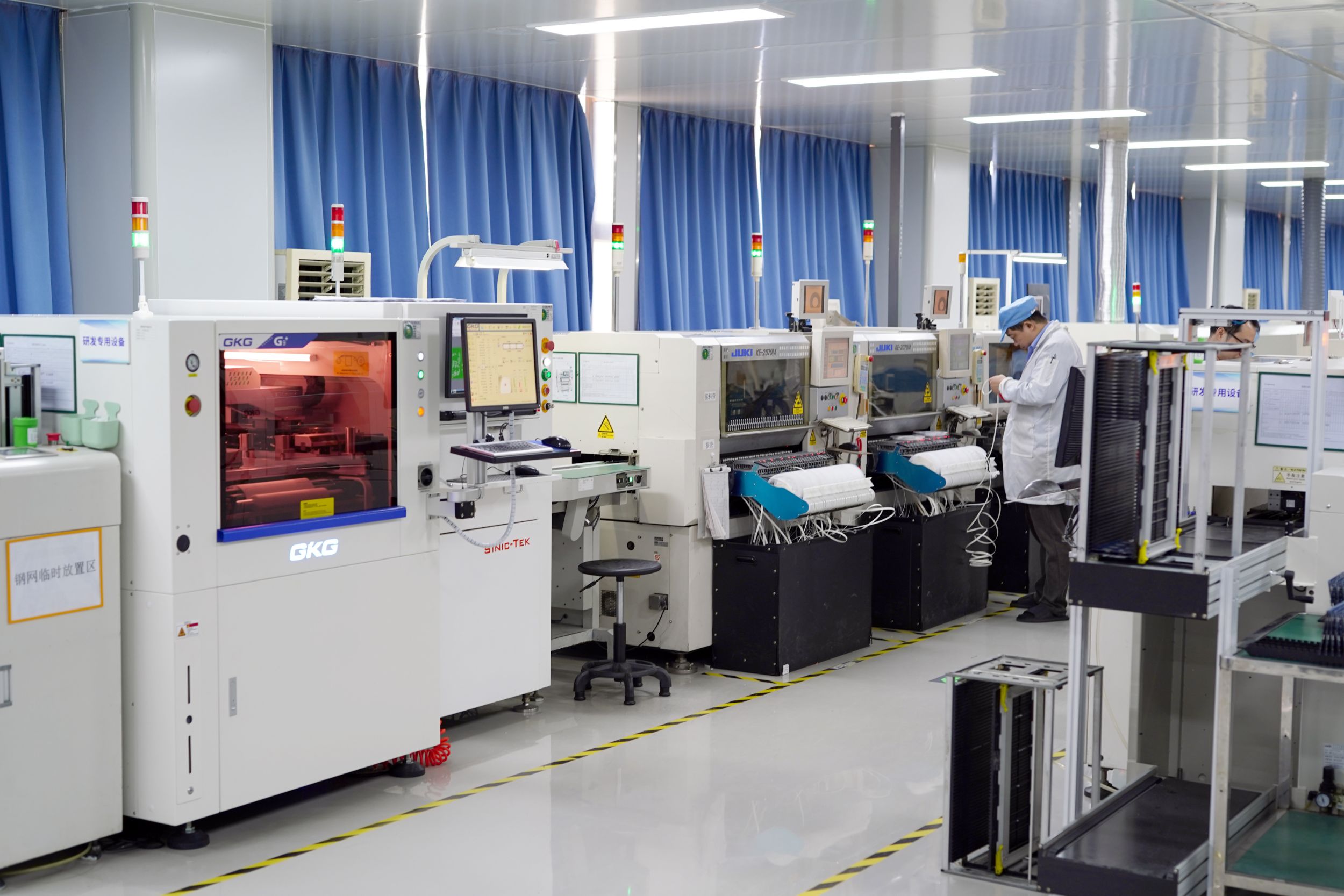
Imagine a factory where a new, AI-powered tool instantly translates technical documents into multiple languages, enabling engineers from different countries to collaborate seamlessly on a global project. This isn't science fiction; it's a reality made possible by recent factory innovations that are reshaping how professionals communicate. From smart sensors transmitting real-time production data to cloud-based platforms facilitating remote consultations, these advancements break down barriers of distance and time.
For example, consider the integration of IoT devices in manufacturing lines. These devices not only optimize efficiency but also generate streams of data that can be shared with supply chain partners or clients through intuitive dashboards. This transparency allows professionals to make informed decisions faster, fostering a culture of proactive communication rather than reactive problem-solving. By automating mundane tasks, innovations free up human workers to focus on strategic discussions and creative problem-solving.
Furthermore, innovations like augmented reality headsets in factories enable technicians to receive guided instructions from experts miles away, turning complex troubleshooting into interactive dialogues. This personal touch, combined with high-tech solutions, ensures that communication remains clear and effective. Ultimately, these innovations propel professional communication forward by making it more accessible, immediate, and impactful, driving industries toward smarter, more connected futures.
Exploring the Key Features of Next-Generation DMR Radio Technology
Next-generation DMR radio technology is revolutionizing communication frameworks with its enhanced digital capabilities, focusing on increased spectrum efficiency and robust interoperability. Unlike earlier systems, modern DMR leverages advanced modulation schemes and error-correcting codes to deliver crystal-clear audio in noisy environments, ensuring reliable transmissions even in challenging conditions. This evolution supports seamless integration across diverse networks, enabling users to communicate effortlessly between different devices and platforms without compatibility issues.
A standout feature of this technology is its sophisticated security protocols, which incorporate end-to-end encryption and authentication mechanisms to protect sensitive data from unauthorized access. These measures go beyond basic scrambling, offering layered defenses that adapt to emerging threats. Additionally, next-gen DMR radios are designed with smart power management, extending battery life and reducing operational costs through intelligent sleep modes and adaptive transmission power, making them ideal for extended field use.
Innovations in network architecture, such as cloud-based control and software-defined radio (SDR) elements, allow for dynamic reconfiguration and real-time updates without hardware changes. This flexibility supports evolving mission needs, from public safety to industrial applications, by enabling features like GPS tracking and data messaging. Ultimately, these advancements foster a more responsive and scalable communication ecosystem, setting a new standard for digital radio reliability and functionality.
Real-World Applications and Benefits of Enhanced DMR Systems
Enhanced DMR (Digital Mobile Radio) systems are transforming communication in industries like public safety and logistics. For example, emergency services use these systems to ensure clear, reliable voice transmissions during critical incidents, enabling faster coordination and response times. In logistics, companies rely on DMR to manage fleet operations efficiently, reducing delays and improving safety on the roads.
Beyond basic functionality, upgraded DMR systems offer benefits such as increased channel capacity and improved battery life in devices. This allows organizations to support more users on a single network without sacrificing performance, while longer-lasting equipment reduces maintenance costs and downtime. Features like GPS integration also provide real-time tracking for assets, enhancing operational oversight.
In the long run, adopting enhanced DMR systems leads to cost savings and greater flexibility. Businesses can scale their communication networks as they grow, avoiding the need for frequent upgrades. With robust encryption and interference resistance, these systems ensure secure data exchange, making them a reliable choice for sectors prioritizing confidentiality and resilience.
The Role of Factory Updates in Boosting Radio Performance and Reliability
Factory updates play a vital role in enhancing radio performance and reliability, often serving as a direct line from manufacturers to end-users. These updates, which can include firmware patches, software tweaks, or hardware optimizations, are designed to address emerging issues, improve signal clarity, and extend device lifespan. By staying current with these updates, users can experience fewer dropouts, better battery efficiency, and overall smoother operation, making it a simple yet effective way to keep radios running optimally.
Beyond fixing bugs, factory updates can unlock new features and capabilities that weren't available at the initial release. For instance, they might refine audio processing algorithms for crisper sound or adjust transmission parameters to reduce interference in crowded frequency bands. This proactive approach not only boosts performance but also adds value over time, ensuring that radios remain competitive and reliable as technology evolves.
Implementing these updates promptly is crucial for maintaining reliability, as they often include security patches that protect against vulnerabilities or performance degradation. In industries like emergency services or aviation, where radio dependability is critical, regular updates are non-negotiable for safety and efficiency. Ultimately, factory updates transform static hardware into dynamic tools, continuously refining their role in communication systems.
Comparing the Evolution from Basic to High-Performance DMR Solutions
Digital Mobile Radio (DMR) technology started off as a straightforward upgrade from analog systems, offering users clearer audio and basic data capabilities. Initially, these basic DMR solutions catered to businesses that needed reliable, cost-effective communication without the complexities of advanced features. They allowed for simple channel access and basic messaging, which was a significant step up from older systems but still limited in terms of scalability and versatility. Over time, as industries demanded more from their communication tools, DMR evolved to incorporate enhanced features like GPS tracking, text messaging, and improved encryption, setting the stage for more sophisticated applications.
The shift towards high-performance DMR solutions was driven by the need for greater interoperability and efficiency in mission-critical environments. Unlike the early versions, which often operated in isolated silos, modern high-performance DMR systems integrate seamlessly with other technologies, such as LTE networks or IP-based infrastructure. This evolution has enabled features like dynamic group calling, emergency alerts, and real-time data sharing, transforming DMR from a simple radio system into a comprehensive communication platform. Businesses in sectors like public safety, utilities, and logistics now rely on these advanced solutions to coordinate complex operations with minimal downtime and enhanced reliability.
Today, comparing basic to high-performance DMR highlights not just technological advancements but also a shift in strategic priorities. Basic DMR focused on replacing analog with digital efficiency, while high-performance solutions emphasize flexibility, integration, and future-proofing for emerging trends. This progression allows organizations to scale their communication networks as they grow, adapting to new challenges like cybersecurity threats or the rise of IoT devices. Ultimately, the evolution reflects a broader trend in communication technology: moving from standardized, one-size-fits-all tools to customized, high-performance systems that empower users to achieve more with less effort.
FAQ
Tier 2 DMR radios support basic digital voice and data, while Tier 3 offers advanced features like trunking for better network efficiency and scalability, making them ideal for larger organizations.
Factory innovations such as improved battery life, robust construction, and integrated GPS ensure reliable communication in demanding environments, boosting durability and operational readiness.
These radios are widely used in public safety, utilities, and industrial sectors for tasks like emergency coordination, field operations, and team management, ensuring clear and secure communication.
Digital technology enables clearer audio, encryption for privacy, and data services like text messaging, enhancing overall communication quality and security over traditional analog systems.
Yes, users can often customize settings such as channel configurations, encryption keys, and software integrations to tailor the radios to specific operational requirements.
Trunking dynamically allocates channels, reducing congestion and improving access, which leads to faster call setup and more reliable connections in high-traffic scenarios.
Conclusion
The world of professional communication is witnessing a significant transformation through DMR Tier 2 and Tier 3 radios, which unveil advanced capabilities by moving beyond basic two-way systems to offer enhanced functionalities. Exploring the key features of next-generation DMR radio technology reveals improvements in audio clarity, extended range, and robust interference handling, making these devices indispensable in demanding environments. This evolution from basic to high-performance DMR solutions is not merely incremental; it represents a leap forward, enabling more reliable and efficient operations across various sectors.
Factory innovations play a crucial role in driving professional communication forward by integrating updates that boost radio performance and reliability. These enhancements, including software upgrades and hardware optimizations, translate into real-world applications and benefits, such as improved safety in emergency services and enhanced productivity in industrial settings. By continuously refining these systems, manufacturers ensure that DMR radios meet the evolving needs of users, solidifying their position as a cornerstone in modern communication networks.
Contact Us
Contact Person: andrea
Email: [email protected]
Tel/WhatsApp: (+86)13960400802
Website: https://www.lishengradio.com/