Optimizing LTE Radio Company Solutions: A Guide to Next-Generation Wireless Strategies
2025-12-24
As the telecommunications landscape evolves at a breathtaking pace, LTE radio solutions are no longer just about connectivity—they're the backbone of next-generation wireless strategies. In this guide, we delve into the art of optimizing these solutions to meet the demands of today's dynamic networks, exploring innovative approaches that can transform performance and efficiency. At the heart of this evolution is lisheng, a pioneer in radio technology, whose insights and innovations are shaping the future of wireless communication. Join us as we uncover key strategies to enhance your LTE deployments, staying ahead in an increasingly connected world.
Assessing LTE Radio Company Solutions for Enhanced Wireless Performance
When diving into LTE radio company solutions, it's not just about picking any product off the shelf. To truly boost wireless performance, you need to dig deep into how these solutions handle real-world challenges like network congestion, signal interference, and user density. Look for companies that go beyond basic LTE capabilities, offering adaptive antenna systems or carrier aggregation techniques that dynamically adjust to changing conditions. This kind of flexibility means your network can stay snappy even during peak hours, giving users a seamless experience without frustrating drops or slowdowns.
Another key aspect is scalability. LTE solutions should grow with your needs, whether you're expanding coverage in a bustling city or a remote area. Some providers focus on energy-efficient designs or cloud-integrated platforms that simplify management and reduce operational costs. By assessing these finer details, you can spot solutions that not only meet current standards but also pave the way for future upgrades, keeping your wireless setup ahead of the curve.
Don't overlook the human element in all this tech talk. The best LTE radio companies back their hardware with robust support and training, ensuring your team can optimize performance long-term. Performance metrics like latency and throughput are crucial, but so is reliability—solutions that excel in diverse environments, from urban canyons to rural landscapes, often stand out. In the end, enhanced wireless performance hinges on a holistic approach that blends cutting-edge tech with practical, user-centric design.
Implementing Advanced Strategies for Next-Generation LTE Networks
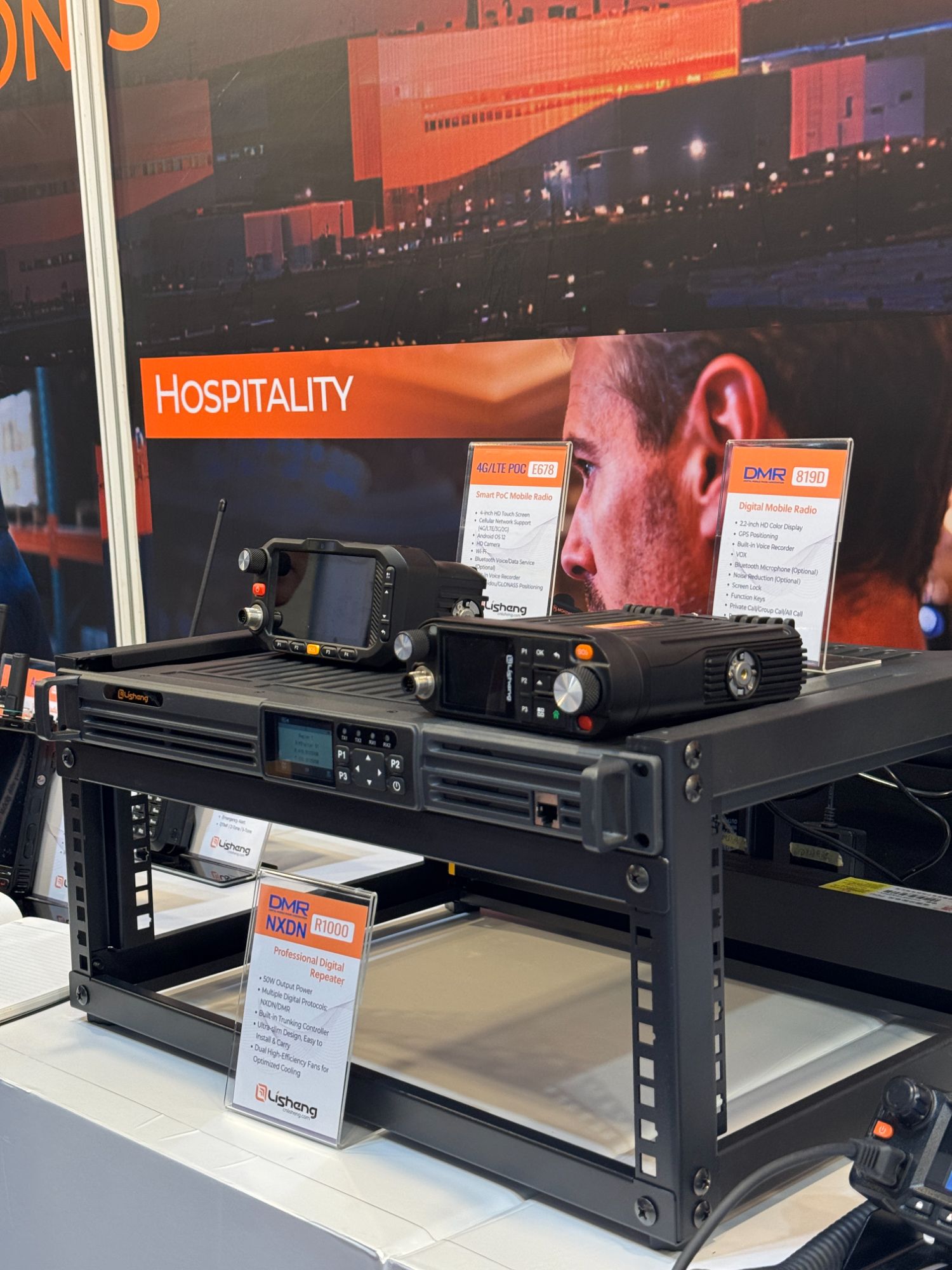
When implementing advanced strategies for next-generation LTE networks, the focus shifts from simply expanding coverage to optimizing spectral efficiency and latency reduction. Network engineers are increasingly deploying carrier aggregation techniques, combining multiple frequency bands to boost data throughput in dense urban areas where demand spikes unpredictably. This approach isn’t just about raw speed—it’s about ensuring seamless user experiences during peak hours, whether for streaming 4K video or supporting real-time IoT applications. By dynamically allocating resources based on real-time traffic patterns, operators can avoid the congestion that plagued earlier LTE iterations, making networks more resilient without massive infrastructure overhauls.
Another key strategy involves leveraging advanced antenna systems, such as Massive MIMO, which uses dozens of antennas to transmit and receive data simultaneously. Unlike traditional setups, this technology doesn’t just blanket an area with signal; it directs beams precisely to user devices, cutting interference and improving energy efficiency. In rural deployments, where towers are sparse, these systems help extend reach while maintaining high data rates, a game-changer for bridging digital divides. Operators adopting this are seeing up to fivefold capacity gains, turning what was once a limitation into a competitive edge in the race toward 5G readiness.
Security and virtualization also play pivotal roles in these strategies. By integrating network functions virtualization (NFV), providers can replace hardware-dependent components with software solutions, allowing for quicker updates and better scalability. This shift not only reduces costs but also enhances security protocols, enabling real-time threat detection across the network fabric. In practice, it means next-gen LTE networks can adapt to emerging cyber threats without downtime, ensuring that innovations like connected vehicles or smart grids operate safely. Ultimately, these strategies aren’t isolated upgrades—they’re interconnected moves that transform LTE from a static infrastructure into a dynamic platform ready for future demands.
Optimizing Radio Frequency Management in LTE Deployments
When deploying LTE networks, managing radio frequencies effectively can make or break performance. Unlike older technologies, LTE operates in diverse spectrum bands, each with unique propagation characteristics. Network engineers often face the challenge of balancing coverage and capacity across urban canyons, suburban sprawls, and rural landscapes. By employing dynamic spectrum allocation, operators can adjust frequencies in real-time based on traffic patterns, preventing congestion in high-demand areas while maintaining solid service where usage is sparse. This approach not only enhances user experience but also maximizes the utility of available spectrum, a finite and valuable resource.
Advanced techniques like carrier aggregation and interference coordination further refine frequency management. Carrier aggregation allows devices to connect to multiple frequency bands simultaneously, boosting data speeds and reliability. Meanwhile, interference coordination mitigates signal clashes between neighboring cells, which is crucial in dense deployments. Tools such as Self-Organizing Networks (SON) automate these processes, learning from network behavior to optimize settings without constant manual oversight. This reduces operational costs and adapts to changing environments, ensuring LTE networks stay agile and responsive as user demands evolve.
In practice, successful optimization hinges on a deep understanding of local conditions. Factors like terrain, building materials, and seasonal weather can all influence radio wave propagation. Regular site surveys and performance monitoring help identify weak spots, guiding targeted adjustments. For instance, tweaking antenna tilt or power levels in specific sectors can eliminate dead zones and improve overall efficiency. By integrating these strategies, operators not only meet current needs but also lay the groundwork for future upgrades, such as 5G integration, making LTE deployments more resilient and forward-looking.
Integrating Innovative Technologies for Superior Wireless Solutions
The fusion of cutting-edge technologies is revolutionizing wireless solutions, enabling unprecedented performance that adapts to today's dynamic connectivity demands. By blending advancements in artificial intelligence with next-generation hardware, systems can now autonomously optimize network parameters in real-time, reducing latency and boosting throughput where it matters most. This integration goes beyond mere upgrades—it creates a responsive ecosystem that anticipates user needs, making wireless interactions smoother and more reliable across various environments.
What sets these solutions apart is their holistic approach, combining elements like edge computing and advanced antenna designs to tackle persistent challenges such as signal interference and coverage gaps. Instead of relying on isolated fixes, this convergence allows for seamless data flow from device to cloud, enhancing everything from streaming quality to industrial IoT applications. The result is a wireless experience that feels intuitive and robust, tailored to support both high-density urban settings and remote operational sites without compromising on stability or speed.
In practice, this integration means wireless networks can evolve beyond traditional limits, offering scalable solutions that grow with user demands. Through continuous innovation in areas like AI-driven network slicing and energy-efficient protocols, these systems not only deliver superior performance but also pave the way for future technologies. It's this forward-thinking synergy that ensures wireless solutions remain agile, cost-effective, and capable of meeting the ever-changing landscape of connectivity.
Evaluating Cost-Effective Approaches in LTE Radio Optimization
To optimize LTE radio networks on a budget, operators often prioritize targeted strategies over broad upgrades. Rather than replacing hardware across the board, a cost-effective approach might involve fine-tuning existing infrastructure through software updates, adjusting antenna tilts, or reallocating spectrum dynamically based on traffic patterns. This allows for significant performance boosts without hefty capital expenditure, keeping networks agile and responsive to user demands.
Another practical method is leveraging data analytics to identify underperforming cells or coverage gaps. By analyzing metrics like call drop rates and throughput, teams can pinpoint specific areas needing intervention, focusing resources where they'll have the most impact. This data-driven tactic not only cuts costs but also enhances customer satisfaction by addressing real-world issues efficiently, avoiding the scattergun approach of traditional optimization.
Cost-effectiveness in LTE optimization also hinges on preventive maintenance and collaborative sharing models, such as network slicing or infrastructure sharing with other providers. These innovations reduce operational expenses while scaling capacity, ensuring networks remain robust and future-proof without breaking the bank. In essence, smart, incremental tweaks often outperform expensive overhauls in today's competitive telecom landscape.
Adapting LTE Strategies for Evolving Market Demands and Challenges
In today's rapidly shifting telecommunications landscape, operators must continuously refine their LTE strategies to meet both current and future market demands. As 5G rollouts grab headlines, LTE remains a critical backbone for connectivity, serving billions of users worldwide. Adapting LTE involves not just maintaining network reliability but also enhancing capacity and speed in congested urban areas, while extending coverage to underserved regions. This demands a dual approach: investing in advanced LTE technologies like carrier aggregation and MIMO to boost performance, and optimizing network operations through AI-driven analytics for predictive maintenance and efficient resource allocation.
Market challenges such as increasing data consumption, the rise of IoT devices, and competitive pressures from new entrants require a more agile LTE framework. Operators are shifting from a one-size-fits-all model to tailored solutions, offering differentiated services like low-latency applications for gaming or industrial automation. By leveraging network slicing on LTE infrastructure, they can create virtual networks that prioritize specific traffic, ensuring quality of service without costly overhauls. This flexibility allows businesses to scale their connectivity needs dynamically, addressing niche markets that might otherwise be overlooked.
Beyond technical upgrades, strategic adaptation encompasses partnerships and business model innovations. Collaborating with cloud providers and content creators can unlock new revenue streams through value-added services, while exploring shared infrastructure models helps reduce capital expenditure in competitive environments. Ultimately, adapting LTE is about future-proofing investments—ensuring that as market demands evolve, the network remains not just functional but a driver of innovation and growth, bridging the gap to next-generation technologies seamlessly.
FAQ
The primary challenges include managing spectrum efficiency, reducing latency, integrating with emerging 5G and IoT technologies, ensuring network reliability, and balancing cost-effectiveness with performance upgrades. These require strategic planning and innovative approaches.
By implementing features like carrier aggregation, advanced MIMO techniques, and software-defined networking, LTE solutions can be enhanced to coexist with 5G, providing a seamless evolutionary path and backward compatibility in hybrid networks.
Effective strategies involve deploying small cells, optimizing antenna configurations, employing dynamic resource allocation, and using AI-driven analytics to predict and address coverage gaps, boosting capacity without extensive infrastructure overhaul.
Energy efficiency reduces operational costs and environmental impact, especially as networks expand. Techniques like sleep mode for base stations and renewable energy integration help meet sustainability goals while maintaining service quality.
Customer demands for faster speeds, lower latency, and reliable connectivity drive innovation, pushing companies to tailor solutions for specific applications like smart cities, autonomous vehicles, and industrial automation to stay ahead.
Data analytics enables real-time monitoring, predictive maintenance, and traffic pattern analysis, allowing companies to proactively optimize networks, enhance user experience, and adapt to changing demands efficiently.
Security is crucial to protect against threats like data breaches and cyberattacks, especially with increased IoT connectivity. Implementing encryption, robust authentication, and regular security updates ensures network integrity and user trust.
Conclusion
In "Optimizing LTE Radio Company Solutions: A Guide to Next-Generation Wireless Strategies," the focus is on enhancing LTE network performance through comprehensive assessments of existing solutions, as outlined in sections such as "Assessing LTE Radio Company Solutions for Enhanced Wireless Performance" and "Optimizing Radio Frequency Management in LTE Deployments." This involves analyzing radio frequency parameters, interference mitigation, and coverage optimization to boost wireless connectivity. By integrating these strategies, companies can address operational inefficiencies and lay the groundwork for advanced LTE implementations. The guide emphasizes a proactive approach, moving beyond basic upgrades to ensure networks are robust and scalable, which is crucial in today's competitive telecommunications landscape.
The guide further explores next-generation advancements by covering topics like "Implementing Advanced Strategies for Next-Generation LTE Networks" and "Integrating Innovative Technologies for Superior Wireless Solutions." It highlights the role of cost-effective optimization, as discussed in "Evaluating Cost-Effective Approaches in LTE Radio Optimization," to balance performance with financial prudence. Additionally, it addresses adaptability through "Adapting LTE Strategies for Evolving Market Demands and Challenges," ensuring that solutions remain relevant amid changing user needs and technological shifts. By synthesizing these aspects, the guide offers a holistic view, empowering companies to not only improve current LTE systems but also future-proof their strategies for ongoing innovation and market responsiveness.
Contact Us
Contact Person: andrea
Email: [email protected]
Tel/WhatsApp: (+86)13960400802
Website: https://www.lishengradio.com/